
Scope the project before committing to site work
Rack-and-stack engineers for London projects
Coordinate the facility window with the technical plan
A London colocation installation can involve the customer, facility and remote technical teams. Put their access, equipment and acceptance responsibilities into one site-specific work pack.
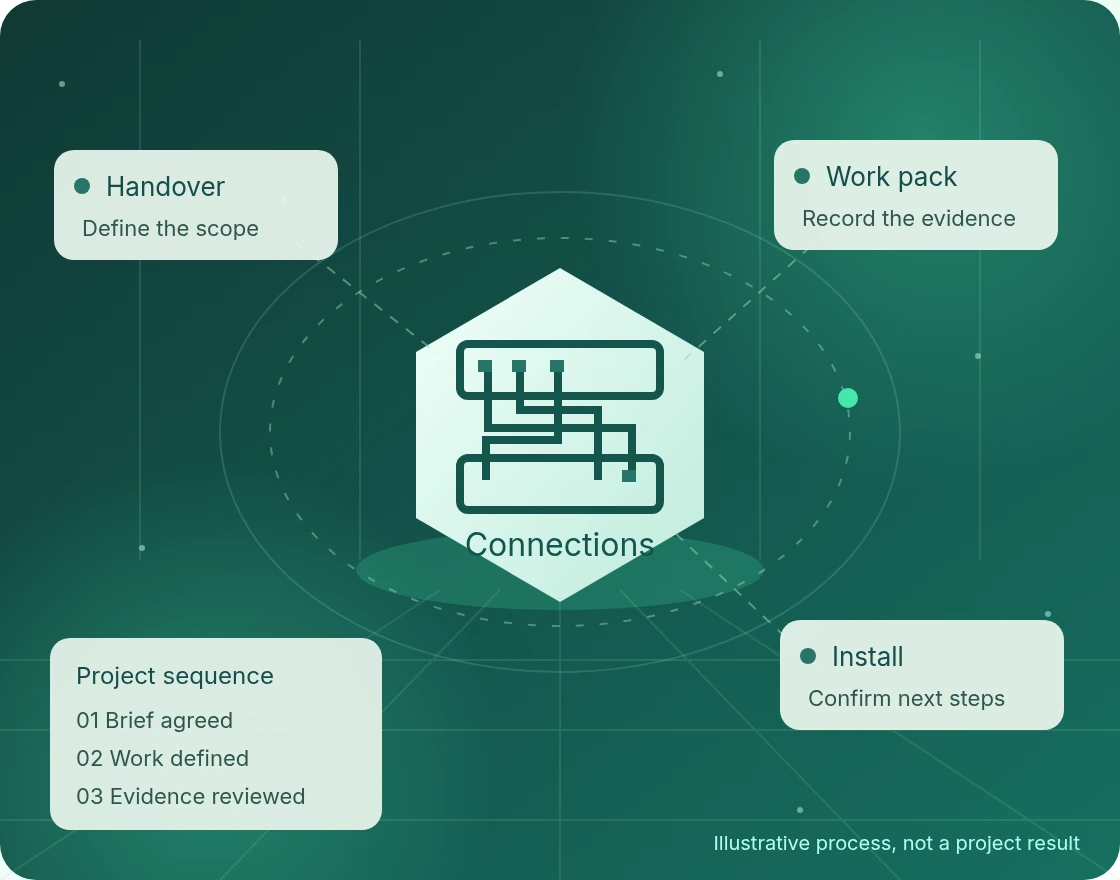
Scope the project before committing to site work
For a London project, share the location and requirements with Global ITN. Scope, delivery arrangements, access and timing are confirmed before any work is agreed. The brief should identify what must happen on site and what your own technical team will retain.
- DefineSite, equipment and operational requirements.
- AgreeResponsibilities, access and acceptance checks.
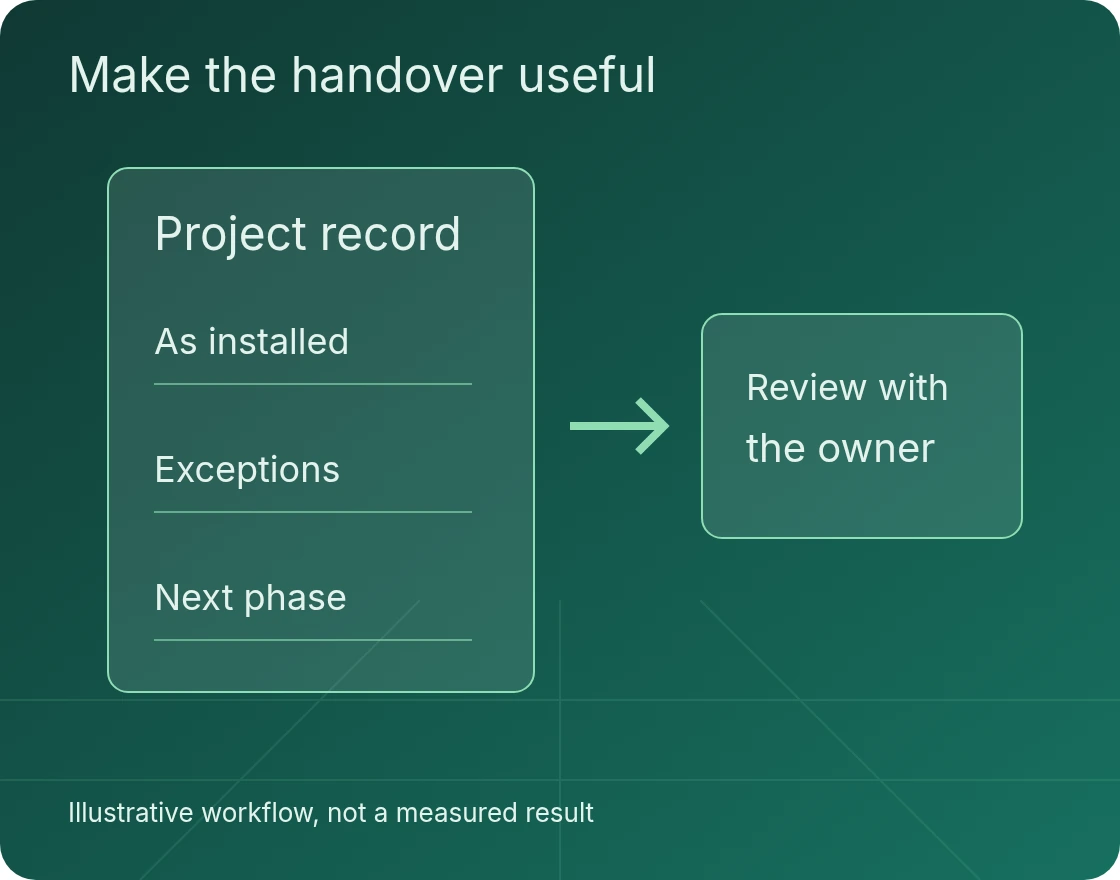
- RecordFindings, exceptions and the next actions.
Define the installation within the wider change
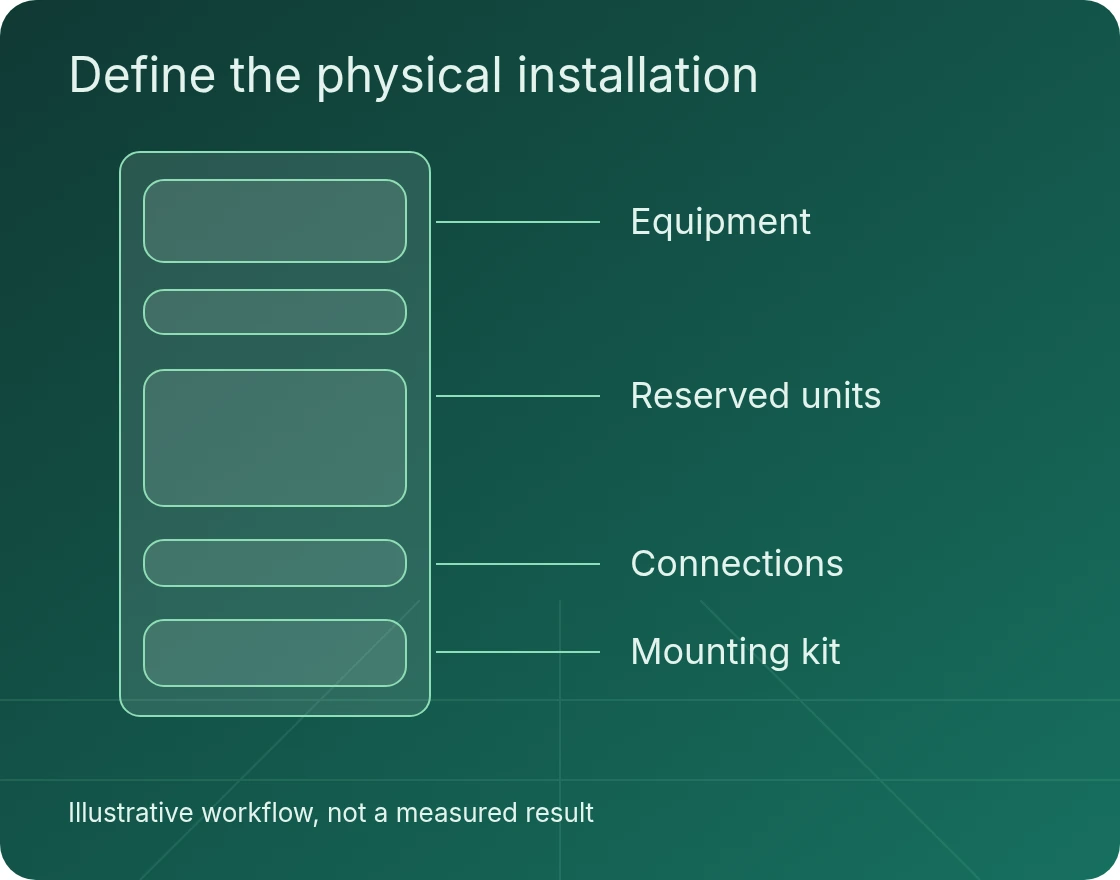
List the physical equipment, rack positions and connections assigned to the request. Identify any separate shutdown, network, application or relocation workstreams. A shared change window does not mean one team is authorised to perform every activity scheduled within it.
For a London facility request, use the actual location and operator requirements in the brief. Confirm the current rack elevation, manufacturer mounting instructions and the customer owner who can approve an exception. Generic regional instructions need site-specific detail before attendance.
As an equipment-manufacturer example, Dell provides server-specific rail installation instructions and a rail sizing and rack compatibility matrix.
Resolve access and delivery dependencies
Record the required access approvals, working window, escort arrangements and handling instructions. Receiving, staging, storage and insurance need assigned owners. Confirm arrival status before committing to an installation window; an expected shipment is not the same as equipment ready at the rack.
Where the facility restricts photographs, devices or information sharing, agree the permitted handover evidence in advance. The work pack should let the remote technical owner review progress without asking site personnel to breach facility rules or improvise an unapproved reporting route.
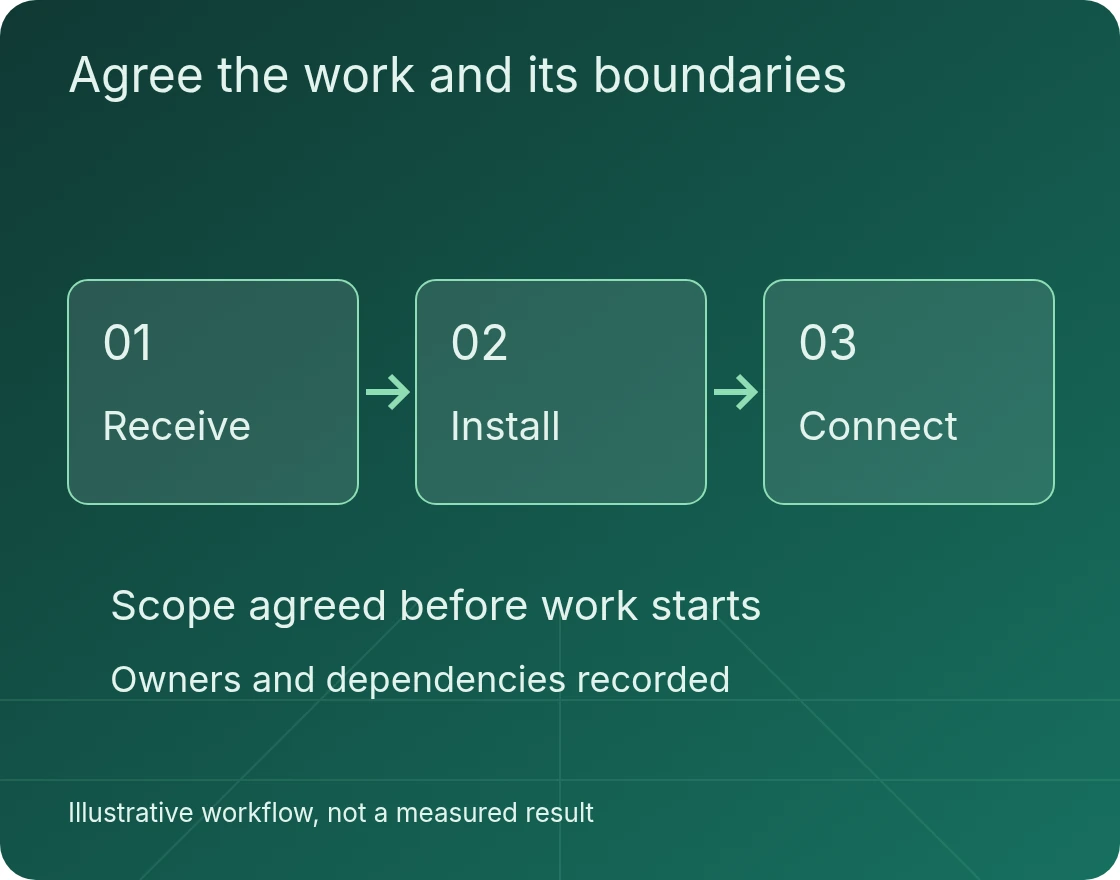
Keep the live connection boundary explicit
Provide the exact power and port assignments and identify connections that must remain untouched. The customer technical owner authorises any disconnect, restart or rollback activity. An ambiguous label is a reason to stop and seek direction, not a basis for inferring a live dependency.
Physical connection checks, remote configuration and service validation should each have an owner. State how a discrepancy will be communicated during the window and who can decide whether work continues. Attendance alone does not authorise changing the supplied design.
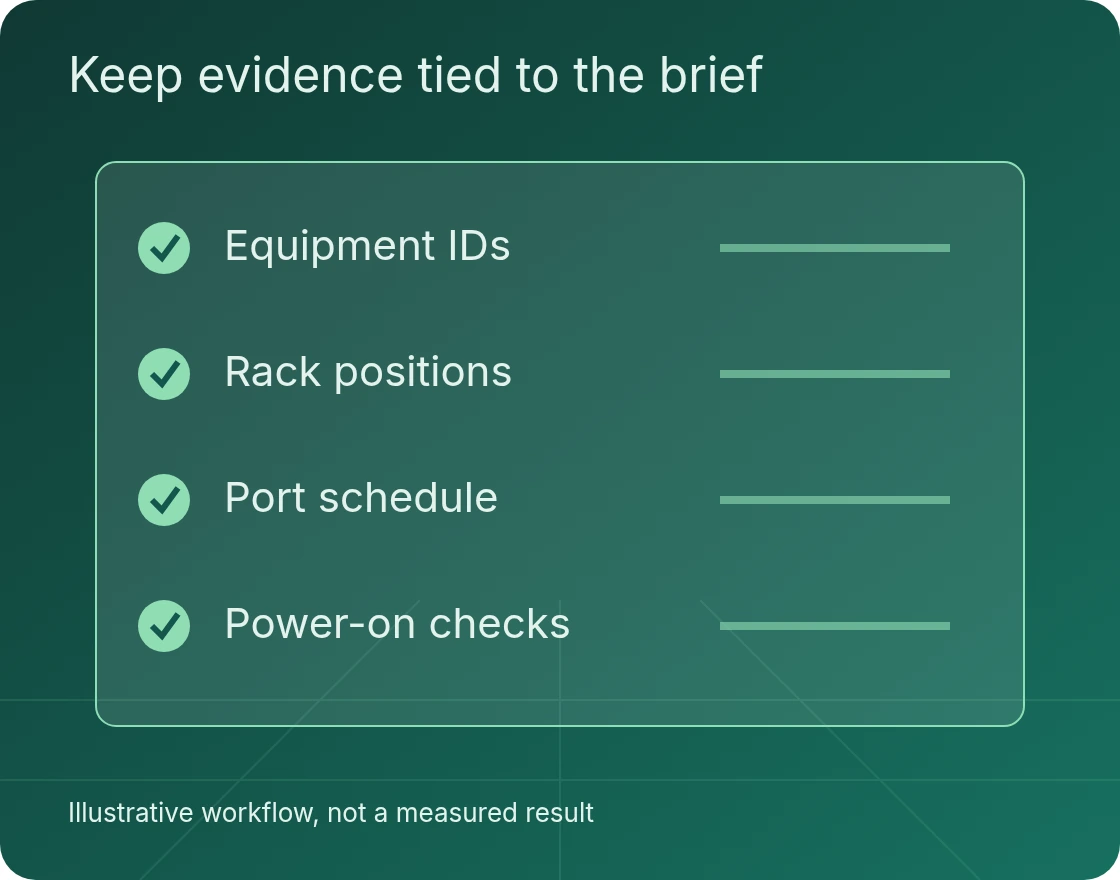
Separate completion from service acceptance
Use an agreed record for mounted equipment, connections, checks and open items. Device power-on or link indication may be part of physical checking, but it does not demonstrate the complete application service is ready. Keep the next commissioning step and its owner visible.
At handover, reconcile the approved plan with the installation as performed. Retain version details and any authorised change. That gives the customer an accurate facility record and avoids leaving later teams to reconstruct the work from an unqualified completion message.
Bring a brief the delivery team can use
Incomplete information can be identified during scoping. Do not treat an assumption as a confirmed site condition.
- The equipmentDevice list, dimensions, weights and manufacturer mounting requirements.
- The rackApproved rack elevation, reserved units and mounting hardware.
- The connectionsPower and port schedules, cable routes and labelling requirements.
- The work windowArrival status, facility approvals, technical owner and acceptance record.
Questions before you book the work
Can a remote team direct the installation?
Remote roles can be included in the brief, with an authorised technical owner, approved communication route and clear acceptance evidence. Site attendance and delivery arrangements still require confirmation for the exact facility.
Does the booking include a change to a live connection?
Only if that activity, its authority, dependencies and acceptance checks are explicitly included. A physical installation window is not blanket approval to disconnect equipment.
What if the facility does not allow photographs?
Agree another permitted evidence format during scoping. The handover must respect the facility and customer information rules rather than assuming photographs are mandatory.
Discuss your London project
Send the equipment schedule, facility location, rack plan and required installation window. We can discuss the brief and confirm whether the requested delivery arrangements can be offered before a commitment is made.